Iran's petrochemical industry is at a strategic crossroads: developing huge mega-plants for global competition or focusing on small and medium-sized units to meet domestic needs? Mohsen Ansari, an expert in the petrochemical industry, says in response to this question: Both paths have their advantages, but ignoring new global technologies such as COTC could jeopardize Iran's export position.
The Director of Production Control at the National Petrochemical Company considered the petrochemical industry's production in 1404 to be defensible despite the 12-day war, and listed the development of fields, the collection of flare gases, and investment in gas consumption reduction projects as among the petrochemical industry's solutions for providing sustainable food.

The CEO of Ilam Petrochemical Company announced the successful completion of the overhaul of various units of this complex and said: "This extensive operation was completed without any incidents, despite the increase in the volume of activities compared to last year."

The Director of Planning and Development of the National Petrochemical Industries Company said: "By the end of the Seventh Plan, we will reach a capacity of 131 million tons at the end of the plan, and we will reach these capacities."

The Secretary General of the Iranian Petrochemical Industry Employers' Association emphasized the necessity of completing the value chain in the petrochemical industry at the opening ceremony of the 19th Iran Plast Exhibition.
The Deputy Director of Planning and Economic Development of the Pars Special Zone Organization announced the issuance of 38 investment licenses in petrochemical plants with an annual capacity of 43 million tons in the Pars Special Zone, saying: "These projects will be put into operation in the next five years."
Following the government's recent decision to reform the revenue structure and align the price of gas feedstock with global rates, Iran's petrochemical industries have faced unprecedented conditions. The increase in feedstock price from 47,000 rials to 139,000 rials has not only increased the current costs of the complexes but has also changed the competitive equations of the entire urea industry.
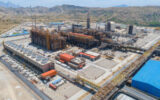
Gachsaran Petrochemical, a huge project with a billion-dollar investment that was supposed to produce one million tons of ethylene annually and feed four other petrochemical units, was halted and suffered losses after its early launch, despite the 13th government’s haste to complete it, due to lack of coordination in planning and lack of consumers. The petrochemical plant had drawn criticism from the National Petrochemical Industries Company, claiming that NPC was one of the factors that put Gachsaran in this situation. However, Saeed Baghbani, the director of production control at the Petrochemical Industries Company, denies these claims.

Announcing an increase of 35 million tons in the petrochemical industry capacity by implementing 66 development plans in the Seventh Development Plan, the Planning and Development Manager of the National Petrochemical Company said: "In addition to increasing production capacity, completing the value chain with the aim of reducing dependence on exports of basic products is targeted in this plan."
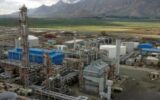
In 1404, Engineer Zahir Heydarinejad and the management team of Kermanshah Petrochemical Company took a different path with a strategic decision: targeted pre-sale of July, August and September products in export markets. This strategy not only solved the problem of warehouse capacity, but also gave the company the power to shift its focus from “selling under pressure” to “selling with maximum profit” in trade negotiations.