
The claim that oil is being drained due to tanks being full is completely incorrect and naive. If oil tanks are full, Iran manages its reserves through reduced production in oil fields, and there is no need to dump oil into the sea.
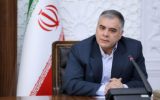
The Oil Minister said: Iran's crude oil production did not decrease on any day during the war, and the trend of oil exports was favorable.
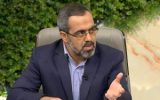
A member of the Economic Commission of the Islamic Council of Experts, stating that the oil industry was at the forefront of the imposed third war, said: The Ministry of Oil is ready for any scenario in a war situation.
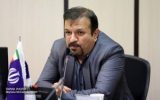
The Director General of Research and Technology Affairs at the Ministry of Oil, emphasizing the implementation of the guidelines issued by the Minister of Oil regarding the provision of facilities under paragraph 2 of the Budget Law for the year 1403, stated: "Applicants who have suffered physical damage during the recent imposed war and have submitted their documents to the secretariat will be eligible for the percentage increase."
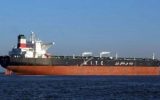
Yesterday, navigation data showed that a supertanker named HUGE had broken the U.S. blockade and was spotted heading towards the Pacific.
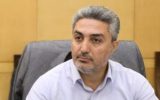
The spokesperson of the Economic Commission of the Islamic Council of Experts stated: With the management of the oil industry complex and the cooperation of the government and the parliament, the damaged oil facilities will be rebuilt and put back into production in the shortest time.
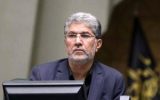
The deputy chairman of the Energy Commission of the Islamic Council of Deputies said: "With proper arrangements and strategies, the oil industry will not achieve any results in the field of maritime blockade."

The president of the Association of Oil Industry Equipment Manufacturers in Iran, referring to the development of a new regulation in the Ministry of Oil aimed at increasing cooperation with the private sector, said: "This step is predicted to facilitate processes and standardize collaborations, and provides the ground for more domestic manufacturers' participation in oil industry projects."
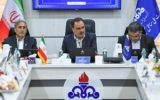
The CEO of the Oil and Gas Operating Company of Gachsaran, emphasizing that sustainable production can only be achieved through intelligent resource management and safeguarding human health, said: The intersection of mature fields and the capabilities of young fields in this region has provided a unique opportunity for simultaneous development of oil and gas capacities in this area.

stressing the use of new technologies , attracting investment and designing solutions to pass the embargo on the development of the common field of azadegan , the chairman of the company for petroleum engineering and development said the development of the field is under way despite the country 's recent conditions .