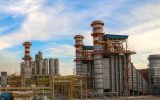
The deputy director of production at the Thermal Power Company said: "The average efficiency of thermal power plants has increased to a new record of 40 percent, which will result in a saving of 1.2 billion liters in fuel consumed by power plants by the end of the year."

We have not had any gas outages in any part of the country these days. I urge people to manage their consumption.

The Deputy Director of Supervision and Inspection of Economic Affairs of the General Inspectorate of the State, along with the Inspector General of Oil Affairs of the organization, visited several fuel stations in Tehran and closely examined the process of distributing fuel to citizens.

The spokesman for the Energy Commission of the Islamic Consultative Assembly positively evaluated the performance of the Ministry of Oil in the areas of production, fuel supply, and accelerating the reconstruction of damaged facilities, saying: "Despite the damage to some phases of South Pars, appropriate measures have been taken to maintain production, and so far we have not faced any problems in fuel supply."

A member of the Energy Commission of the Islamic Consultative Assembly stated that to partially solve the energy imbalance, biofuels and electric vehicles should be used in addition to gasoline and CNG, adding: "We can manage part of the fuel imbalance by using alternative fuels and developing electric public transportation."
The head of the Agriculture, Water, Natural Resources and Environment Commission of the Islamic Consultative Assembly announced the allocation of 100 million liters of fuel to agricultural machinery for the months of August and September, and said: "This decision has been made with the continuous follow-up of the Agriculture Commission and the cooperation of the Ministry of Oil, in line with supporting production and addressing the concerns of farmers."
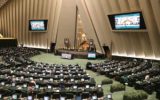
A member of the Presidium of the Islamic Consultative Assembly, explaining the fifth advisory and supervisory meeting of the Assembly with the presence of the Minister of Oil, said: This meeting was held with the presence of the Minister of Oil and the head of the Energy Optimization and Strategic Management Organization to review the state of production, supply, and management of the country's fuel chain.
The director of the National Petroleum Products Distribution Company in Tehran region, appreciating the support of Tehran citizens in managing fuel consumption, emphasized: "In the current situation, managing consumption even for one liter of product is valuable and helps to further stabilize the fuel distribution network."

The head of the Economic Commission of the Islamic Council of Deputies emphasized the necessity of conserving fuel consumption and said: The conditions of the country require that the model of resistant economy be implemented in many sectors, including fuel and energy.
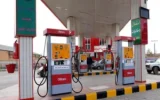
The CEO of the National Petroleum Distribution and Refining Company announced the implementation of a pilot project for emergency card tagging at fuel stations in Tehran.