
The government spokesman said: "Given the existing imbalances and the damage caused to energy infrastructure during the third imposed war, energy consumption management is more necessary than ever."
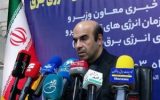
The head of the SATBA organization announced that the planned capacity of Iran's renewable power plants will reach 12,000 megawatts by the end of this year.
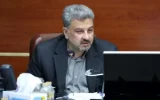
Referring to the Ministry of Energy's priorities in providing electricity, the Deputy Minister of Energy said: "Our priority is to provide electricity to tropical regions that are in the area of war operations, and after that, we will provide electricity to the country's productive sector and industries."
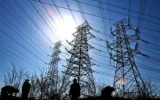
The Deputy Minister of Energy announced plans to import 450 megawatts of electricity from Turkey to supply petrochemical companies with electricity, and said: "Currently, about 500 megawatts of electricity are imported into the country annually from Turkmenistan and Armenia; a measure that, while helping to stabilize the electricity supply, will also reduce domestic fuel consumption."
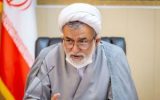
The head of the Energy Commission of the Islamic Consultative Assembly considered comprehensive support for the reconstruction of refineries, petrochemical plants, and power plants as one of the key programs of the commission, and said: "The Energy Commission will enter with all its capacity in any part of the oil industry that needs support, facilitation, and removal of obstacles."

The Vice President said: "The financial benefit from any savings will be paid directly to the consumer."
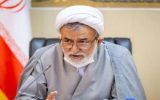
The head of the Energy Commission of the Islamic Consultative Assembly said: "The establishment of the energy imbalance elimination center has had acceptable achievements, and the Minister of Oil has also emphasized the continuation of its activities and the readiness of this ministry to cooperate in any required area."
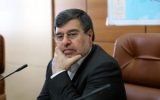
A member of the Islamic Consultative Assembly's Program and Budget Commission stated that the use of renewable energies reduces energy consumption, especially gas, during the cold seasons of the year, and said: "Developing renewable energies is a solution for managing fuel consumption."
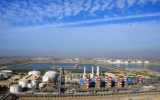
The reconstruction project manager of the Persian Gulf Fajr Energy Company announced the completion of the first phase of the complex's restoration in less than 15 days and said: "The reconstruction and expansion program with a capacity equivalent to 2,600 MW in the power plants of Regions One and Two, with the aim of increasing the sustainability of energy supply to the region's industries, is being implemented over a time horizon of about 22 months."
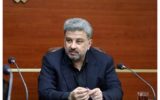
Referring to the increase in electricity delivery to petrochemical industries, the Deputy Minister of Electricity and Energy of the Ministry of Energy said: "The amount of electricity delivered to petrochemical industries has increased ninefold compared to last year."