The Minister of Energy announced that the country's nominal electricity production capacity has exceeded 100,315 megawatts and said: "This increase in production has occurred without fuel consumption, and this process will continue until the end of the 14th government."
The Minister of Power said at the Public Relations Day ceremony: "In the recent war, more than 6,000 electricity points were hit, but the damages were repaired in the shortest possible time."
The Deputy of Electricity and Energy at the Ministry of Energy, emphasizing the crucial role of the public in energy consumption management, said: "The participation of customers in electricity conservation, especially in sensitive conditions, can contribute to the stability of the grid, equivalent to the production of a large power plant."

In view of the 15% electricity consumption of the country's production, limited to only two provinces of Khuzestan and Bushehr, and the registration of the highest per capita non-industrial electricity consumption and total energy (electricity and gas) in these regions compared to the world, Hossein Mirafzali, an energy expert, considers "electricity consumption quota" for administrative, commercial and residential buildings as the only effective solution to end the culture of waste and manage the crisis resulting from the bombing of power plants during the current summer.
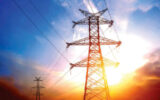
The spokesman for the Parliament's Energy Commission stated that industries have not fulfilled their obligations in supplying electricity, and said: "According to the law, industries must produce 10,000 megawatts of their own electricity by the end of 1404 (1425 AH), of which about two to three thousand megawatts have been produced so far."

The CEO of Jamco said: "The electricity economy in Iran is paralyzed; power plants are not even making ends meet for their repairs, let alone building new ones." He warned that incorrect electricity pricing has caused investors to flee the sector and that the electricity imbalance is deepening every year.
The CEO of the Greater Tehran Electricity Distribution Company said: "This summer, the capital experienced one of the most effective periods of transition from peak electricity consumption to date by implementing smart consumption management plans, equipping high-consumption subscribers with smart meters, and effective subscriber participation."

The Director General of the Electricity Network Engineering and Management said about the successful implementation of the 100 Nights, 100 Visits project aimed at reducing the effects of electricity waste in the country: "This project has so far resulted in savings of 600 megawatts in electricity consumption."
An official said: "It is expected that during peak periods, electricity consumption will reach more than 80,000 megawatts, but the electricity industry has made every effort to ensure that the need for electricity consumption does not exceed 75,000 megawatts."

Referring to the extensive plan to install 5-kilowatt home solar panels, a spokesman for the electricity industry announced the purchase of electricity from these generators at attractive rates from subscribers.