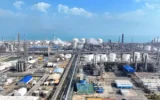
Gas Imbalance: A Threat to Petrochemical Production and the Livelihoods of Millions of Iranians
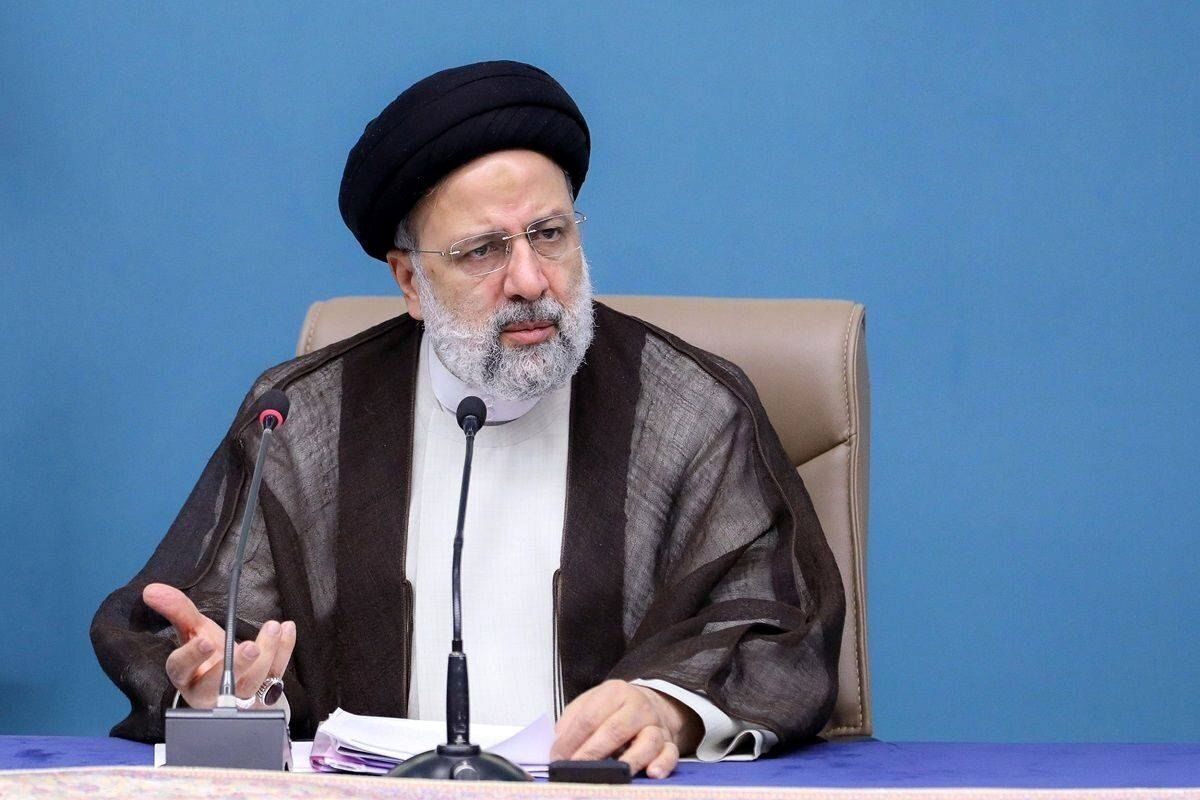
The CEO of the National Petrochemical Company, pointing to the intensification of the gas imbalance this winter—exacerbated by damage to the nation’s energy infrastructure resulting from a 40-day war—emphasized that gas supply restrictions for the petrochemical industry do not merely harm the producers themselves; rather, they will have direct and far-reaching consequences for people’s livelihoods, employment, and the revenue sources of pension funds.

From South Pars Platform 14 to the deadly Dehloran road: who is responsible for the safety of oil workers?
Within the span of a few days, two tragic and harrowing incidents in the oil industry have once again underscored the critical importance of prioritizing the safety and well-being of the workforce. The first occurred on November 10 (Aban 19) at the 14D platform in the South Pars field—an event that, fortunately, ended with the rescue of all 17 personnel, despite extremely adverse sea conditions. This was followed by a fatal accident last night (November 14/Aban 23), in which a bus transporting employees of the Dehloran NGL company overturned on the Dasht-Abbas–Murmuri road in Ilam province; according to initial reports, the incident resulted in 12 fatalities and left 18 others injured.
Iran’s new roadmap for developing regional trade in oil, gas, and petrochemicals has been issued.
The Acting Minister of Petroleum announced the approval and issuance of a document and roadmap for Iran’s regional energy diplomacy by the Steering Committee for Regional Energy Trade. He stated that, based on this document, the country’s action plan for the oil, petroleum products, gas, and petrochemical sectors has been formulated with specific indicators.

آخرین اخبار
Chairman of the Parliament’s Energy Commission: No matter what happens, oil exports will continue
Accelerating refining and distribution in fuel portfolio diversification; restoring CNG capacity and reducing gasoline consumption

Iran sets new record for gas transmission during peak winter consumption
What is the percentage of gas consumption in Tehran province?

Mismanagement brought petrochemical production to zero

The Ministry of Oil’s special look at the private sector with petrochemical arbitration

Increasing Iran’s oil production by developing the West Karun fields and collecting flare gases
Deputy Chairman of the Energy Commission: Arbitration of pricing of petrochemical ancillary services is the way to development
The share of the household sector in gas consumption reached 66 percent