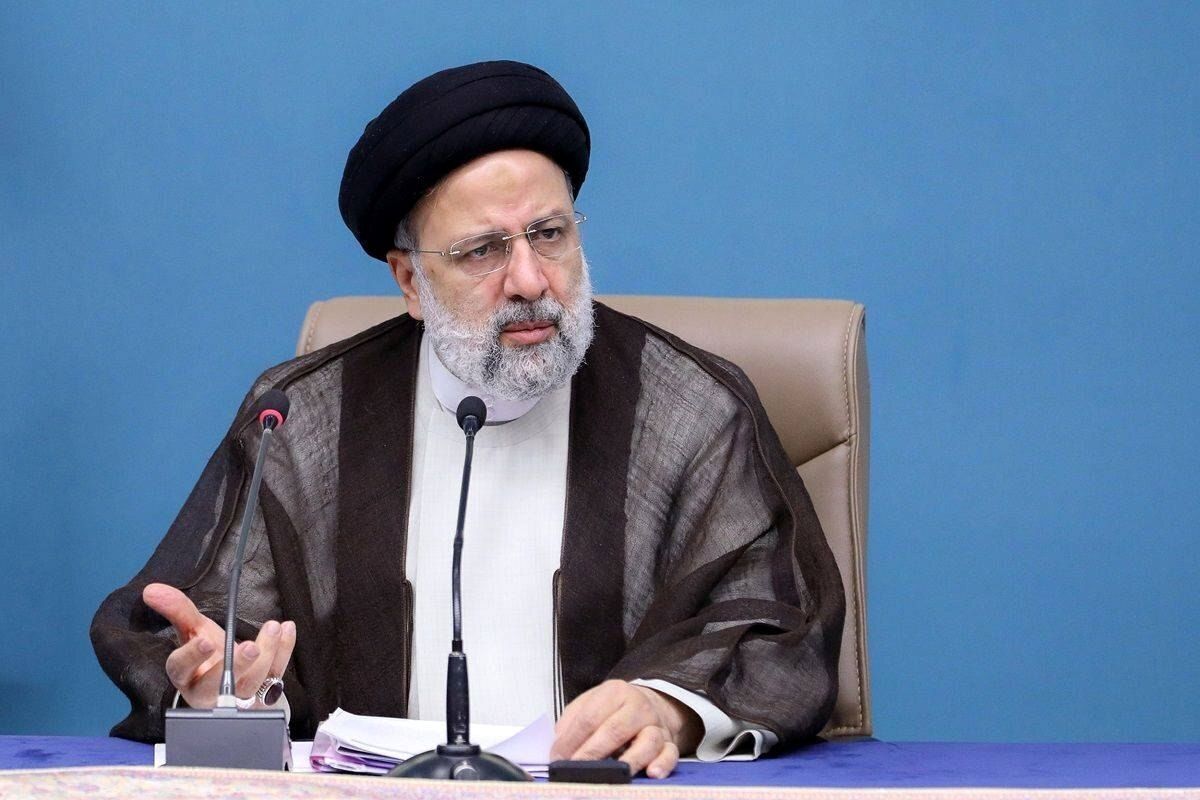
The 19th Joint Commission on Economic Cooperation between Iran and Russia is an important opportunity to deepen strategic relations between Tehran and Moscow
The Minister of Oil considered the 19th meeting of the Iran-Russia Joint Commission an important opportunity to deepen strategic relations between Tehran and Moscow and emphasized: Strengthening economic cooperation between Iran and Russia can play an effective role in enhancing the economic capabilities of the two countries and forming an order based on common interests.
Saving $1 billion in oil and gas imports by properly managing consumption
The CEO of the National Iranian Oil Refining and Distribution Company announced a 4% decrease in oil and gas consumption in 1404 (2025). He said: Last year, one billion dollars was spent on importing oil and gas into the country, but this year passed without any imports.
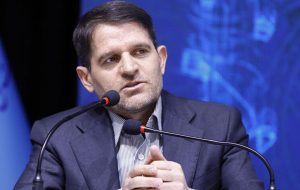
Mismanagement brought petrochemical production to zero
Production in Khorasan, Lordegan, Kermanshah, Zagros, Sabalan, Kimia Pars, and many other urea and methanol petrochemical plants has dropped to zero; why? Because the only prescription of all governments to overcome the gas crisis is to close the gas valve of petrochemical plants.


آخرین اخبار
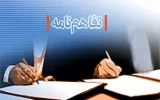
Tripartite Memorandum of Understanding between the National Southern Oilfields Company, the MAPNA Group Consortium, and Ghadir Electricity and Energy Holding
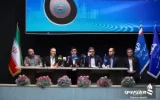
Production in oil fields drops by up to 60 percent!
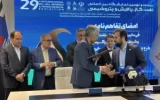
Signing of a Memorandum of Understanding between the National Oil Company and Zagros to Control Flare Gases
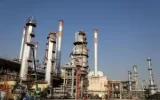
Increasing gasoline production to 120 million liters per day
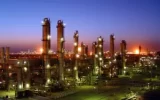
Bandar Imam ranks first in petrochemical industry production

Attracting investors to the oil industry plays an effective role in advancing development projects and the country’s economic prosperity
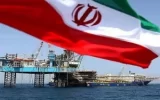
Can the US prevent Iranian oil exports to China?
5,000 MW renewable power plant to be built in cooperation with the Chinese
Digital transformation at Shahid Hasheminejad Gas Refinery with the aim of sustainable development