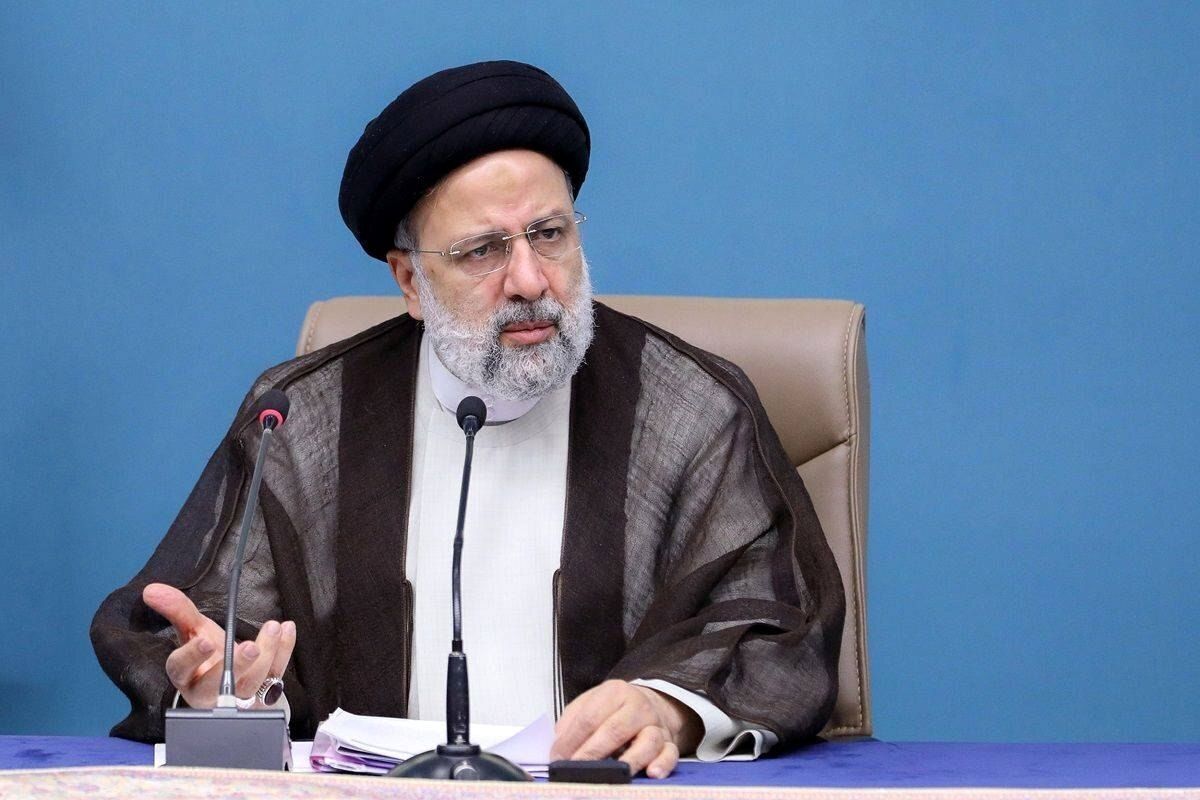
Mismanagement brought petrochemical production to zero
Production in Khorasan, Lordegan, Kermanshah, Zagros, Sabalan, Kimia Pars, and many other urea and methanol petrochemical plants has dropped to zero; why? Because the only prescription of all governments to overcome the gas crisis is to close the gas valve of petrochemical plants.
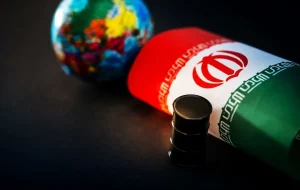
Growth in oil production and exports despite economic recession
Central Bank statistics indicate a 1.1% growth in oil production and exports in the first half of 1404; a growth achieved during an economic recession and alongside a 0.6% decrease in the country's gross domestic product.

The Yellow Dragon’s Addiction to Iranian Oil / Billion-Dollar Savings for Chinese Refineries
Estimates by the Kepler Institute show that China purchased over 80% of Iran's exported oil in 2025, with daily imports averaging around 1.38 million barrels, equivalent to approximately 13% of China's total seaborne oil imports.

آخرین اخبار
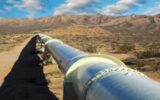
An increase of 1,000 kilometers of oil transmission lines by September
The National Iranian Oil Engineering and Construction Company, as the executive arm of the refining industry, is always in a state of constant flux, just like the flow of oil, gas, and petroleum products production in our country; various projects are completed one after another and new ones are started. The company is simultaneously working on several large and small projects, some of which, like the Bandar Abbas-Rafsanjan pipeline, are in their final stages.
Introduction to Iranian petrochemicals; this part is Sabalan
Sabalan Petrochemical was established in 2010 in the strategic region of Assaluyeh with the aim of producing AA grade methanol. With an annual production capacity of 1.65 million tons of methanol, this complex is a key player in Iran's petrochemical industry and is on its way to becoming one of the largest methanol producers in the world.
Will Tehran cede Ankara’s gas market to Russia and Turkmenistan?
As Iran’s 25-year gas export contract with Turkey nears its end in 2026, the prospects for this strategic partnership are facing serious uncertainties. With competitors such as Russia, Azerbaijan, and Turkmenistan poised to seize the market, Tehran’s decision to extend or redesign the contract could transform Iran’s geo-energetic position in the region.
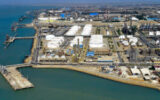
Localization of Bandar Imam’s vital petrochemical equipment implemented
In line with the realization of the "New Imam Port" plan, Bandar Imam Petrochemical has localized key equipment in various parts of this complex in the last three years, relying on domestic knowledge-based companies.
Forecast of electricity consumption growth to 80,000 megawatts
An official said: "It is expected that during peak periods, electricity consumption will reach more than 80,000 megawatts, but the electricity industry has made every effort to ensure that the need for electricity consumption does not exceed 75,000 megawatts."
10 million liters of gasoline production jump; How did the 14th government change the fuel equation?
Following a significant increase in gasoline production capacity in less than a year, the 14th government has succeeded in bringing about one of the largest infrastructure developments in Iran's fuel industry. This growth has been achieved by reforming processes, improving refinery productivity, and implementing emergency projects.
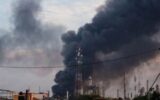
Fire at Abadan Oil Refinery Contained
The fire incident in Unit 70 of the Abadan Oil Refinery was completely contained with the efforts of operational and rescue teams.

Possibility of forming a joint consortium to develop the Kish gas field
The CEO of the Persian Gulf Oil and Gas Industry Advancement Company, referring to the significant lack of benefit for the Persian Gulf Petrochemical Industries Group from the empty production capacity of some companies, which is due to insufficient feed, emphasized the key role of this company in the upstream oil and gas sector, including participation in field development projects to provide sustainable feed for large petrochemical production units.
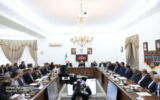
Emergency plan to increase daily crude oil production approved
The National Development Fund's investment in the emergency plan to increase daily crude oil production by 250,000 barrels was approved at a meeting of the Economic Council.
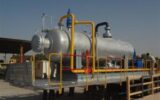
Oil Fluid Separation Unit Launched in South Azadegan
The CEO of Arvandan Oil and Gas Company announced the launch of an oil fluid separation unit in the South Azadegan field with a daily capacity of 5,000 barrels, with the aim of reviving and making low-pressure wells productive.