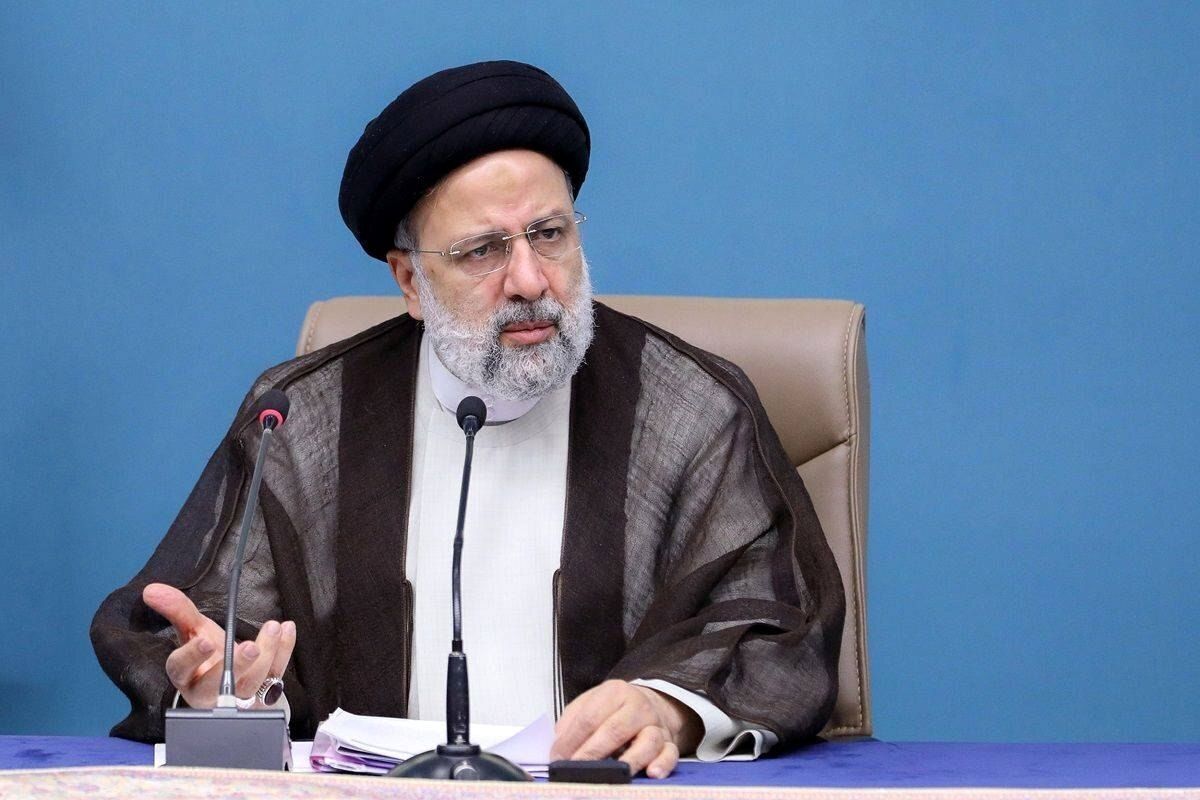

Mismanagement brought petrochemical production to zero
Production in Khorasan, Lordegan, Kermanshah, Zagros, Sabalan, Kimia Pars, and many other urea and methanol petrochemical plants has dropped to zero; why? Because the only prescription of all governments to overcome the gas crisis is to close the gas valve of petrochemical plants.
Growth in oil production and exports despite economic recession
Central Bank statistics indicate a 1.1% growth in oil production and exports in the first half of 1404; a growth achieved during an economic recession and alongside a 0.6% decrease in the country's gross domestic product.

The Yellow Dragon’s Addiction to Iranian Oil / Billion-Dollar Savings for Chinese Refineries
Estimates by the Kepler Institute show that China purchased over 80% of Iran's exported oil in 2025, with daily imports averaging around 1.38 million barrels, equivalent to approximately 13% of China's total seaborne oil imports.


آخرین اخبار
Why do China and India continue to buy oil from Russia and Iran despite US warnings?
Despite Trump's explicit threats and pressure from Washington, China and India continue to import cheap oil from Russia and Iran, a decision rooted in economic interests and an independent energy policy. Could this move pose potential risks for them from Trump?

The National Oil Company owes the National Development Fund $17 billion
The chairman of the National Development Fund's executive board said: "The National Oil Company directly and indirectly owes about $17 billion to the Development Fund."

Chains that are not yet complete; Behind the scenes of the failure of MTO and MTP projects in Iran
While value chain development has become a common buzzword in Iranian petrochemical industry literature, many projects, including MTO and MTP, are still stalled at the raw material sales stage. Petrochemical expert Mohsen Ansari considers “the need for large investments” and “feed instability” to be the most important reasons for the failure of these projects. According to him, in the current situation, the “ethylene” and “propylene” chains have the greatest potential for real completion in Iran and more focus needs to be placed on their development.

The Executive Plan for Oil Financial Transparency was reviewed by the Seventh Program’s Steering Council
The "Executive Plan for Transparency of Revenues and Expenditures of the National Iranian Oil Company," subject of Section 18 of Article 119, was discussed at today's meeting of the Steering Council of the Seventh Progress Program.
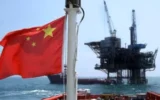
Success of major repairs at South Pars Site 2 relying on Iranian knowledge
The deputy head of Site 2 of the South Pars Gas Complex announced the successful implementation of major repairs at the refineries of this site and said: "This operation, relying on local technical knowledge and equipment, is an important step in increasing the productivity and sustainability of natural gas production."
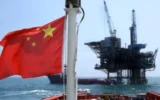
China’s decisive response to the US: Oil purchases from Iran and Russia continue
In response to US calls to stop buying oil from Iran and Russia, China's Foreign Ministry stressed that Beijing will not change its energy policy under external pressure.
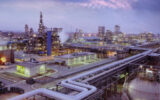
Getting to know one of Iran’s petrochemical companies: This part is Maroon Petrochemical
Maroon Petrochemical Company is one of the largest petrochemical production complexes in Iran, which was established on February 1, 1998, with the aim of implementing the Seventh Olefin Project.
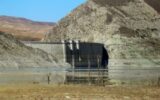
Water crisis in Iranian dams; only 43 percent of reservoir capacity is full
Currently, despite 22.2 billion cubic meters of water stored in the country's dams, 43 percent of the dam reservoirs' capacity is full and 57 percent of this capacity is empty.
Average daily gas consumption in power plants reached 306 million cubic meters
Power plant gas consumption remained at its highest level in the week ending August 10, bringing the average daily consumption of this sector to more than 306 million cubic meters.
Stabilizing production of 55,000 barrels of crude oil with technical reforms at Karun Company
Karun Oil and Gas Exploitation Company has taken a major step in increasing production capacity by implementing technical and operational reforms in upstream and downstream facilities, while stabilizing daily production of 55,000 barrels of crude oil.