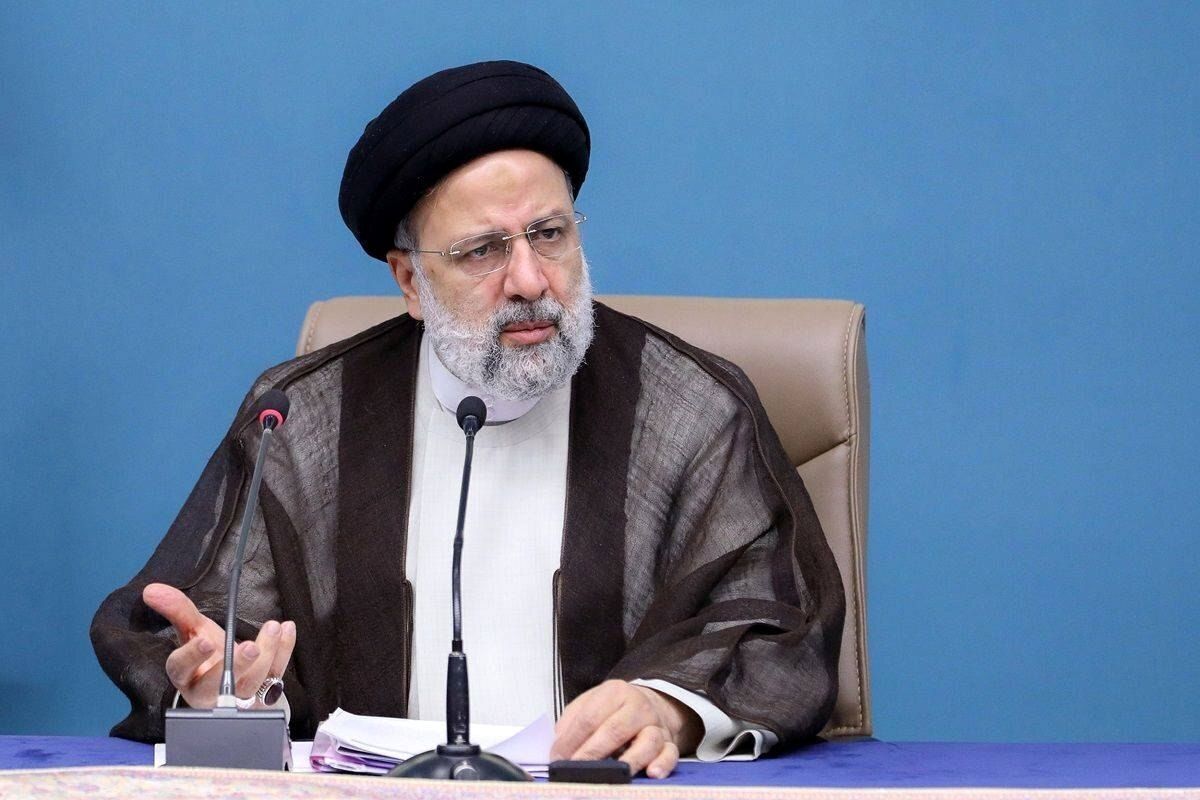
Mismanagement brought petrochemical production to zero
Production in Khorasan, Lordegan, Kermanshah, Zagros, Sabalan, Kimia Pars, and many other urea and methanol petrochemical plants has dropped to zero; why? Because the only prescription of all governments to overcome the gas crisis is to close the gas valve of petrochemical plants.
Growth in oil production and exports despite economic recession
Central Bank statistics indicate a 1.1% growth in oil production and exports in the first half of 1404; a growth achieved during an economic recession and alongside a 0.6% decrease in the country's gross domestic product.

The Yellow Dragon’s Addiction to Iranian Oil / Billion-Dollar Savings for Chinese Refineries
Estimates by the Kepler Institute show that China purchased over 80% of Iran's exported oil in 2025, with daily imports averaging around 1.38 million barrels, equivalent to approximately 13% of China's total seaborne oil imports.
آخرین اخبار

Oil production increases by 80,000 barrels with the opening of Azadegan field facilities
The Minister of Oil announced: "With the opening of new petrochemical projects and processing facilities in the Azadegan field, the country's crude oil production capacity will increase, adding about 80,000 barrels per day to oil production."
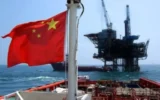
Daily export of 1.38 million barrels of oil to China; Iran is a sustainable energy supplier to East Asia
China will source more than 13 percent of its imported oil from Iran in the first half of 2025; therefore, Iran, as a country with sustainable production capacity, is an important option for meeting part of this need, and it should be seen that significant economic opportunities will be created in the field of energy during the President's trip to participate in the Shanghai Summit.
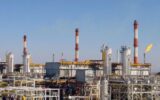
The 17th major overhaul of the Ilam Gas Refinery has begun
The head of maintenance at the Ilam Gas Refinery announced the start of the 17th major overhaul of the refinery on September 1st, saying: "The major overhaul of this period will continue for 24 days, with an estimated 64,000 man-hours of executive staff and 20,000 man-hours of supervisory staff."

Untold facts about Abbas Karimi from Shazand Petrochemical
Abbas Karimi revealed the excessive hiring during the previous administration, the heavy costs of human resources, the high-profile overhaul in the middle of the war, and the drop in income due to the suspension of gasoline exports.

New solutions for financing petrochemicals on the verge of being finalized
The Secretary General of the Petrochemical Industry Employers' Association emphasized the serious pursuit of resolving the industry's problems and said: "New solutions for financing petrochemicals will soon be finalized."

Iranian oil on the rise; production, export and collection of flare gases are accelerating
Explaining the most important measures taken by the Ministry of Oil last year, the Minister of Oil emphasized: The Ministry of Oil plans to accelerate measures in this field and has short-term projects carried out by the private sector, as well as long-term and infrastructure projects on the agenda.

Acceleration in the development of joint fields; competition with neighboring countries in western Karun
The CEO of the Petroleum Engineering and Development Company, while explaining the company's strategic plans for the development of the West Karun joint fields, announced: "Completing processing infrastructure, utilizing modern drilling technologies, collecting associated gases, and complying with environmental requirements are among the most important measures that have been achieved in West Karun in recent months."
Joint project between the University of Petroleum Industry and Arvandan; Oil production tripled in a laboratory pilot
The University of Petroleum Industry, in collaboration with Arvandan Oil and Gas Company, succeeded in increasing oil production on a pilot scale by three times by designing and building advanced laboratory equipment and utilizing "foam-assisted lifting" technology; an achievement that could revolutionize the exploitation of wells with high water cutoff.

Iran’s new oil production record thanks to the efforts of oil industry experts
The CEO of the National Iranian Oil Company announced the achievement of a new record in the country's oil production, saying: "Crude oil production in early September of this year reached its highest level in the last seven and a half years, and this success is the result of the round-the-clock efforts of oil industry experts and employees to achieve the goals of the 14th government and strengthen the national economy."
“Arvand”, a major player in the PVC industry, entered the stock market
Arvand Petrochemical Company (Public Joint Stock Company) with the symbol "Arvand" was listed on the Tehran Stock Exchange on August 18, 1404, after obtaining legal permits and approval from the Admissions Board.