Refining and Distribution CEO: Technological opportunities in the refining industry are vast; the move towards data-driven management is gaining momentum

Refining and Distribution CEO: Technological opportunities in the refining industry are vast; the move towards data-driven management is gaining momentum

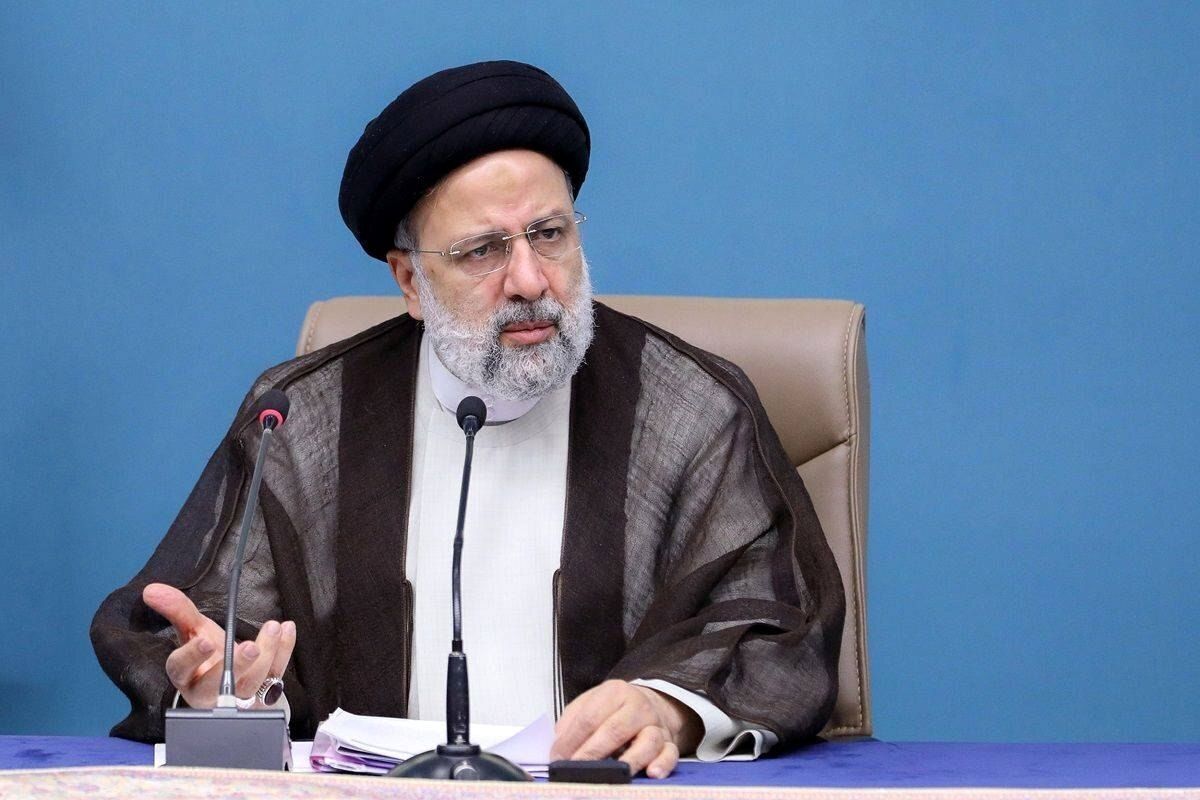
The CEO of the National Iranian Petroleum Products Refining and Distribution Company, emphasizing the move towards data-driven management and smart fuel chain, said: "The opportunity for technological and data-driven work in the refining and distribution industry is very broad. What is important in this path is the right direction, prioritizing issues, and defining effective cooperation models."

Getting to know Iran’s petrochemical holdings; this part of the Persian Gulf

Getting to know Iran’s petrochemical holdings; this part of the Persian Gulf

Persian Gulf Petrochemical Industries Holding, as the second largest petrochemical holding in the Middle East and the largest player in this industry in Iran, plays a key role in meeting domestic needs and the international standing of this industry, with more than one-third of the nominal capacity of the country's petrochemical industry.

Meet Hengam Petrochemical, Iran’s newest urea producer

Meet Hengam Petrochemical, Iran’s newest urea producer

Located in the heart of the South Pars energy region, Hengem Petrochemical has not only become one of the largest producers of ammonia and urea in the country, but also, with the completion of its new phases, is ready to play a more important role in Iran's food security and foreign exchange earnings.

Breaking News

Some mini-refineries export gasoline to Afghanistan

Some mini-refineries export gasoline to Afghanistan

For years, mini-refineries have denied any gasoline exports and have denied accusations of fuel smuggling; but now the CEO of Shazand Petrochemical Company is openly saying that some of these units export gasoline to Afghanistan, and their exit routes are through the Dogharoon and Milak borders.
Denial of connection between fire and Behran Oil Company

Denial of connection between fire and Behran Oil Company

Officials at Behran Oil Company announced that the recent fire has no connection to the company. The HSE unit and the refinery firefighting team have also been deployed to the site with three fire extinguishers to carry out containment operations in the event of a possible spread.
From billion-dollar investment to production halt; why did Gachsaran Petrochemical plant go bankrupt?

From billion-dollar investment to production halt; why did Gachsaran Petrochemical plant go bankrupt?

Gachsaran Petrochemical, a huge project with a billion-dollar investment that was supposed to produce one million tons of ethylene annually and feed four other petrochemical units, was halted and suffered losses after its early launch, despite the 13th government’s haste to complete it, due to lack of coordination in planning and lack of consumers. The petrochemical plant had drawn criticism from the National Petrochemical Industries Company, claiming that NPC was one of the factors that put Gachsaran in this situation. However, Saeed Baghbani, the director of production control at the Petrochemical Industries Company, denies these claims.
Increase in petrochemical industry capacity by 35 million tons with the implementation of 66 development projects

Increase in petrochemical industry capacity by 35 million tons with the implementation of 66 development projects

Announcing an increase of 35 million tons in the petrochemical industry capacity by implementing 66 development plans in the Seventh Development Plan, the Planning and Development Manager of the National Petrochemical Company said: "In addition to increasing production capacity, completing the value chain with the aim of reducing dependence on exports of basic products is targeted in this plan."
Carrying out major repairs at the mobile gas collection center

Carrying out major repairs at the mobile gas collection center

Major repairs to the Amak Gas Collection Center are being carried out as part of one of the most important environmental projects in the oil industry, with the aim of reducing flaring and optimizing the use of hydrocarbon resources. In addition to preventing the emission of pollutants, this project provides valuable feedstock for petrochemical and refining units and is an effective step on the path to sustainable development and environmental protection.
Crude oil sales and gasoline imports: Signs of Iran’s chronic economic illness

Crude oil sales and gasoline imports: Signs of Iran’s chronic economic illness

Hedayatullah Khademi, an energy expert, said: "We are a country that sells both crude oil and imports gasoline. Instead of trying to convert oil into more valuable products, we sell it raw and cheap. No matter how much oil China and the United States have, they buy several times more of it from abroad to convert it into a valuable commodity; but today we see that our country has been worn out in all areas of infrastructure and economy."
The End of the Middle East’s Monopoly on the Oil Market: Lessons from the 12-Day War between Iran and Israel

The End of the Middle East’s Monopoly on the Oil Market: Lessons from the 12-Day War between Iran and Israel

The short 12-day war between Iran and the Zionist regime, contrary to predictions, failed to disrupt the global oil market. This event showed that the Middle East is no longer the only determinant of global oil prices. In an interview with Hossein Mirafazli, an energy expert, we examined this major transformation and the future of the energy market. He talks about the stunning growth of renewable energies, especially solar, and the world's reduction in dependence on oil, and believes that these changes will transform not only the energy market, but also global political and geopolitical equations. Is the era of the Middle East's oil monopoly over?