
On the first day of the 12-day war, gasoline sales reached 197 million liters per day.
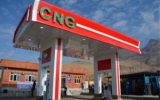
There is one CNG station for every 1,600 vehicles in the country.
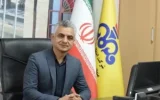
The CEO of Fajrjam Gas Refining Company announced the implementation of a series of projects and operational measures related to energy consumption management, the development of renewable energies, increasing productivity, and contributing to the sustainability of gas production in the company.
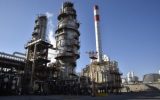
Recording an average daily production of 109 million liters of base gasoline, operating more than a thousand kilometers of pipelines, reducing oil and gas imports to zero in 2025, operating several quality improvement projects, a 51 percent growth in oil and gas deliveries to power plants in the winter of 2024, and a 210 percent increase in dual-fuel vehicle production are among the most important performance indicators of the refining and distribution industry in strengthening infrastructure and managing the country's fuel imbalance.

The jump in Tehran's daily gasoline consumption to 26 to 27 million liters, along with a significant drop in the capacity of the capital's warehouses, reliance on direct transportation of fuel from refineries to stations, and a reduction in the capacity of the fuel distribution network's logistics infrastructure, has temporarily interrupted the distribution process at some stations.

Tavusi announced: "Since the establishment of the 14th government, 27 petrochemical projects with licenses or feed allocations have been prioritized based on physical progress, of which 7 projects have been included in the priority projects portfolio."

The Deputy Director of Supervision and Inspection of Economic Affairs of the General Inspectorate of the State, along with the Inspector General of Oil Affairs of the organization, visited several fuel stations in Tehran and closely examined the process of distributing fuel to citizens.
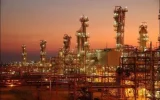
An agreement was signed on the refinery reconstruction plan for phases 9 and 10 of the South Pars Joint Field between Pars Oil and Gas Company and a consortium led by Bank Shahr.
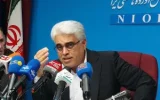
Using a personal fuel card, using CNG in dual-fuel vehicles, and avoiding single-passenger vehicles are among the most important solutions for managing gasoline consumption and reducing queues.
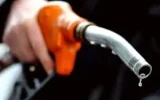
Confirming the news of the use of methanol in the gasoline blend, the spokesman for the Energy Commission of the Islamic Consultative Assembly said: "The amount of methanol used in the gasoline blend is currently about half a percent, which does not cause any problems for vehicles."