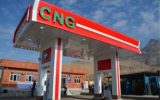
The director of the National Petroleum Products Distribution Company in South Khorasan announced that more than 12 million liters of gasoline were saved in the first quarter of 1405 by replacing CNG consumption, and said: "In addition to significantly reducing gasoline consumption, the use of CNG has played an effective role in energy management and reducing environmental pollutants in the province."
Due to the increasing gap between gasoline production and consumption, the country's current daily gasoline supply capacity is about 120 million liters, while daily consumption has reached 134 million liters and is expected to exceed 140 million liters in the summer.
Network 12 of the Zionist regime reported a 90% increase in jet fuel prices as a result of the ongoing war between the US and the Zionist regime against Iran.
استاندار تهران گفت: مصرف بنزین در استان تهران که در ابتدای جنگ ۲۴ میلیون لیتر در روز بود، با صرفهجویی مردمی پس از تجاوز دشمن به ذخایر نفتی به ۷ تا ۸ میلیون لیتر در روز رسید.

The CEO of the National Iranian Oil Refining and Distribution Company announced a 4% decrease in oil and gas consumption in 1404 (2025). He said: Last year, one billion dollars was spent on importing oil and gas into the country, but this year passed without any imports.

The Deputy Minister of Petroleum for Engineering, Research and Technology, announcing that the Ministry of Petroleum is leading in first-time production, said: "So far, $262 million worth of contracts have been signed in the field of first-time production, and it is expected that the full implementation of these contracts will bring more than $2 billion in foreign exchange savings for the country."
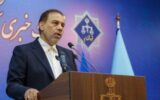
The Judiciary Spokesperson said: "According to the report of the officers, an organized network attempted to remove fuel from the supply, production, and consumption cycle in the country and had stored this fuel at about 150 locations in Rey County."

The head of control system maintenance at the South Pars Second Refinery, emphasizing the upgrade of the online monitoring system, said: "The monitoring system has been improved from the 3300 series to the advanced 3500 series."
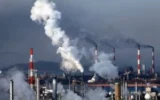
The 14th government's Ministry of Oil has taken a major leap forward in reducing pollution and improving air quality in metropolitan areas through a series of coordinated measures, including an unprecedented increase in the production and delivery of Euro 4 oil and gas to power plants, the full supply of standard fuel in Tehran, the production of low-sulfur furnace oil, and the acceleration of the plan to develop dual-fuel vehicles.

The National Petroleum Products Distribution Company issued a call for proposals to diversify the fuel portfolio and develop clean fuels such as LPG and CNG.