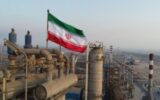
Bandar Abbas Oil Refining Company, as one of the 10 largest refineries in the country, plays a key role in providing Iran with the energy and products it needs. The refinery was built on an area of about 770 hectares, 20 kilometers west of Bandar Abbas city and on the northern shore of the Persian Gulf, and went into operation in 1997 with an initial capacity of 232,000 barrels per day.

The Director of Planning and Development of the National Petrochemical Industries Company said: "By the end of the Seventh Plan, we will reach a capacity of 131 million tons at the end of the plan, and we will reach these capacities."

Iran's urea and ammonia industry, which for years was known as one of the few stable channels for foreign exchange to enter the country, is today under triple pressure from questionable feed price policies, long-term gas outages, and a volatile global market.
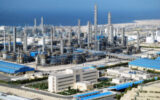
The CEO of the National Petrochemical Industries Company announced the targeted development of the petrochemical industry in deprived provinces based on territorial planning and said: "Completing the value chain in the provinces in accordance with the climate, resources, and regional needs is on the agenda with the aim of balanced and sustainable development of the country."

The Secretary General of the Iranian Petrochemical Industry Employers' Association emphasized the necessity of completing the value chain in the petrochemical industry at the opening ceremony of the 19th Iran Plast Exhibition.

In an interview with this media outlet, the CEO of Shazand Petrochemical Company described the company's most important recent challenge as the cessation of gasoline exports to Afghanistan, saying that as the country's standards became stricter, the export of 80-octane gasoline, which previously constituted an important part of Shazand's income, has been halted.

At the opening ceremony of the 19th Iran Plast, the CEO of the National Petrochemical Industries Company pointed out the status and importance of the petrochemical and polymer industries and said: Petrochemical products, especially polymers, play a key role in various industries and have a pervasive presence in our daily lives.
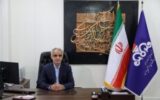
The Deputy Director of Planning and Economic Development of the Pars Special Zone Organization announced the issuance of 38 investment licenses in petrochemical plants with an annual capacity of 43 million tons in the Pars Special Zone, saying: "These projects will be put into operation in the next five years."
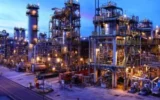
Isfahan Oil Refining Company (EORC) is one of the largest refineries in Iran, having started its activities in the field of crude oil refining in 1979 and today produces about 22% of the country's petroleum products. With a refining capacity of 375,000 barrels per day, the company has a wide variety of petroleum products and feedstock for downstream industries.

The CEO of the National Petrochemical Industries Company estimated the value of polymers produced in industrialized and developed countries at about $2,000 per ton and said: "Iran's petrochemical industry must move beyond the chemical sector and move towards creating more added value by producing polymer materials; the total capacity of polymers is currently only about 10 million tons."