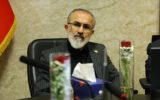
The CEO of Petrofarhang Holding announced the start of implementation and planning operations for the construction of three power plants with a total capacity of 45 megawatts.
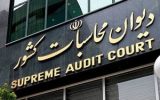
According to the Court of Accounts report, petrochemicals with 64 percent and steel with 21 percent are at the top of the National Gas Company's debtors list, industries that were also bombed during the Ramadan war.
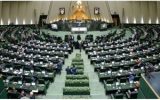
A member of the Energy Commission of the Islamic Consultative Assembly said: This commission, in cooperation with other specialized commissions, will specifically follow up on the issue of financing, equipment, and removing obstacles to the reconstruction of damaged petrochemical units.
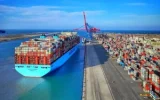
According to the Trade Development Organization's circular, export bans on chemical, polymer, and petrochemical products were lifted.
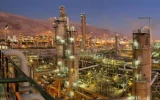
The case of Jam Petrochemical's long-standing claims against Mehr Petrochemical was settled by executing a court order, and assets worth about $872 million were transferred to Jam Petrochemical. According to the company's CEO, the benefits of this action will go back to the assets of the country's pensioners.
The Deputy Minister of Energy announced the ministry's new decision to strengthen the sustainable and economic electricity supply to the industrial sector and announced: "From August, the exclusive electricity supply mechanism for the petrochemical industry will be implemented, and at the same time, the electricity supply to other energy-intensive industries will continue through the open and green energy exchange board."
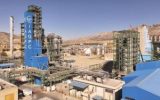
Iran's polypropylene production capacity will increase as a new petrochemical complex in the west of the country enters commercial production in the summer.
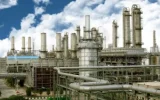
Lordegan Petrochemical announced the restart of ammonia and urea units; an event that took place on June 19, 2021, and shows that this complex has returned to the production cycle after a halt.
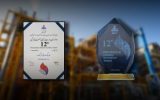
Petrofarhang Holding won the top statuette for "Reviving Profitability, Product Portfolio Management, and Value Creation" at the 12th National Festival of Excellence in the Petrochemical Industry of Iran.
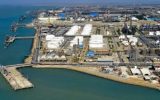
The CEO of Bandar Imam Petrochemical Company announced that the reconstruction and renovation of the steam power plant of this complex is underway at an accelerated pace, saying: "The production units of Bandar Imam will soon be operational."