
Ankara’s cold winter; Iranian and Turkmen gas in the crosshairs of sanctions
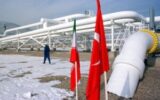
According to Energy Press and quoted by Oil Price, Turkish Energy Minister Alp Arslan Bayraktar told reporters in early December that Ankara is trying to increase gas imports through an old contract with Iran and supplement it with a swap agreement with Turkmenistan. But the lack of transparency about sanctions has created a major obstacle for Turkey.
Turkey’s dependence on Iranian gas
Turkey’s motivation is the need for reliable and more reliable gas supplies in the winter. Without imports from Iran, Turkey is likely to struggle to meet its growing energy demand and could face power outages, as last happened in the winter of 2022. Turkey has been buying 9.6 billion cubic meters of gas from Iran annually since 2001. The purchase contract expires in July 2026 (Tir 1405).
During the term of the contract, Turkey has repeatedly faced import disruptions, partly due to Iran’s difficulties in maintaining its aging infrastructure due to sanctions. Disruptions often occur at the peak of winter demand, as Tehran allocates exported gas to its domestic market to maintain stable domestic supplies.
Turkmenistan gas swap via Iran to Turkey
The launch of Turkey’s swap agreement with Iran and Turkmenistan in March was seen as insurance to cover Turkey’s winter needs. The agreement was also intended to bolster Ashgabat’s reputation as a reliable energy partner and help revive the Trans-Caspian gas pipeline project.
Turkey is a staunch supporter of the Trans-Caspian route, which has been on the table since the 1990s. “We have reached the stage of taking practical steps to realize our 30-year dream of transporting natural gas to Turkey via the Trans-Caspian pipeline,” Bayraktar told a December 10 gathering of energy officials, held under the auspices of the Organization of Turkic States (OTS).
Under the swap agreement with Ashgabat, Turkey was to receive 1.3 billion cubic meters of Turkmen gas annually via the existing Iran-Turkey pipeline. In contrast, Turkmenistan delivered slightly more gas to northwest Iran through existing pipelines, and the difference in volume covered Iran’s transit costs.
Tags:gas
- Comments sent by you will be published after approval by site administrators.
- Comments that contain slander will not be published.
- Comments that are not in Persian or not related to the news will not be published.
Comments
Total comments : 0 Awaiting review : 0 Date: 0